Building Bridges with Colors: Teamwork and Connection through a Rainbow

Building Bridges with Colors

“When I see a rainbow, I know that someone, somewhere loves me.”

Anthony T. Hincks

To help our group of kids get to know each other and foster interaction, we design our games to be engaging and collaborative. We often pair children up, encouraging them to learn each other’s names and practice teamwork.

Today’s activity was all about building a rainbow together. We prepared seven arches, each representing a different color of the rainbow, and cut each arch in half. Each child received two halves, each a different color. One child volunteered to start by taping their arch to the wall. They were then asked to look around the group to find their “color buddy” and invite them to complete the arch, using their name: “Jack, would you like to help me finish my rainbow?” Jack would respond with, “Jill, I’d love to help you!”

As facilitators, we modeled the process for the kids and guided them when needed. One by one, each child added their arches to the wall, working together to create a beautiful, collaborative rainbow. We even let the kids decorate their arches, adding a personal, unique touch to each color.

What does this teach them?

When kids engage in teamwork, it teaches them valuable lessons on multiple levels—emotionally, cognitively, and relationally.

Emotionally:

  • Empathy & Emotional Awareness: Working with others helps children develop empathy as they learn to consider their teammates’ feelings, ideas, and needs. It encourages emotional regulation as they navigate challenges or disagreements in a group setting.
  • Confidence: Successfully collaborating with others can boost a child’s self-esteem and sense of accomplishment. When they contribute to a group effort and see the positive outcome, it reinforces their belief in their own abilities.
  • Resilience: Teamwork often involves facing setbacks and learning how to handle them. Kids learn to bounce back from mistakes and challenges with the support of their peers.

Cognitively:

  • Problem-Solving Skills: Teamwork requires children to think critically and find solutions together. This helps them develop cognitive flexibility, as they learn to look at problems from different perspectives.
  • Creativity: Collaborating with others fosters creativity because kids are exposed to different ideas and approaches. Working together encourages brainstorming and out-of-the-box thinking.
  • Decision-Making: Kids practice making decisions collectively, learning to weigh options, discuss outcomes, and compromise when necessary.

Relationally:

  • Communication Skills: Teamwork teaches kids how to express themselves clearly and listen actively to others. They practice both verbal and non-verbal communication, which are essential for successful relationships.
  • Conflict Resolution: Working with others inevitably leads to disagreements, and this provides an opportunity to learn conflict resolution skills. Kids practice negotiating, finding common ground, and resolving differences peacefully.
  • Trust & Cooperation: Teamwork builds trust among peers as they rely on each other to achieve a shared goal. It fosters a sense of belonging and mutual respect, helping them form stronger, more supportive relationships.

Overall, teamwork equips kids with crucial life skills that positively impact their emotional well-being, cognitive development, and ability to form and maintain healthy relationships.

Belly Breathing: A Simple Way to Calm Your Child’s Mind and Body

What is Belly Breathing?

Belly breathing, or diaphragmatic breathing, is a simple yet powerful technique where your child breathes deeply using their diaphragm. Unlike shallow breathing which makes the chest rise, belly breathing causes the stomach to expand as the lungs fill with air.

Benefits of Belly Breathing

Research shows that belly breathing offers numerous physical and mental health benefits, including:

  • Improving breathing patterns and increasing mind-body awareness
  • Reducing anxiety and stress
  • Promoting relaxation as a life skill
  • Boosting concentration and regulating energy levels

When to Practice Belly Breathing

Belly breathing can be practiced any time your child feels anxious or overwhelmed. A few minutes of daily practice can make it easier for them to use this technique when needed. It’s a great tool for relaxation and self-regulation, helping both kids and adults find calm in stressful moments.

How to Practice Belly Breathing

Your child can practice belly breathing while sitting, standing, or lying down. Here’s an easy way to try it:

1. Have them lie on their back with their head supported and knees bent.

2. Ask them to place one hand on their belly and the other on their chest.

3. Instruct them to slowly breathe in through their nose, feeling their belly rise.

4. Let them hold their breath for a few seconds.

5. Then, have them exhale slowly through their mouth, noticing their belly fall.

Belly Breathing for Kids

For children, belly breathing can be both fun and effective. Here are three playful approaches to help them engage with the technique:

  • Bubble Breathing: Ask your child to imagine their belly is a bubble that inflates as they breathe in and deflates as they breathe out. To add some extra fun, use a bubble wand, and have them blow real bubbles as they exhale!
  • Plush Toy Breathing: Place a small, soft toy on their stomach while they lie down. Encourage them to make the toy rise and fall gently with their breath, helping them focus on slow, deep breathing.
  • Owl Glass Breathing: In keeping with our weekly theme, “Owl Be There for You,” we introduced Owl Glass Breathing. The kids sat up, took a deep breath in, letting their “owl belly” puff out, held their breath, and then let out a long, slow ‘hooooooooooo.’ This technique not only slows the breath but also helps activate their vagus nerve.

There are many types of deep breathing techniques, and as the years go on, more will emerge. It’s important to find one that works for your child and sparks their interest, so they can practice it both when calm and when upset.

deep breathing exercise for kids

The Vagus Nerve—What is it and Why is it Important?

The vagus nerve is one of the longest and most important nerves in the body, connecting the brain to various organs, including the heart, lungs, and digestive system. It plays a key role in the parasympathetic nervous system, which controls our body’s “rest and digest” functions. When activated, the vagus nerve helps lower heart rate, reduce stress, promote relaxation, and improve digestion.

How Humming Helps

When your child breathes out and hums (or hoooo’s), it stimulates the vagus nerve, which plays a crucial role in calming the nervous system. Here’s how it benefits your child:

  • Activates the Vagus Nerve: Humming creates a gentle vibration that stimulates the vagus nerve, calming the nervous system, lowering heart rate, and reducing stress.
  • Promotes Relaxation: Humming while exhaling encourages slower, deeper breaths, helping your child shift from fight-or-flight mode into a relaxed state.
  • Lowers Stress Hormones: Humming has been shown to reduce cortisol levels (the body’s stress hormone), promoting a sense of calm.
  • Increases Oxygen Flow: Humming increases the production of nitric oxide, improving blood circulation and oxygen delivery, which further supports relaxation.
  • Balances the Nervous System: Combining focused breathing with the sound of humming helps balance the autonomic nervous system, creating emotional and physical equilibrium.

Teaching your child these simple breathing techniques can empower them to manage stress and stay calm in challenging moments! Next time if they are upset and unable to practice breathing, ask them to hum Happy Birthday and see if it helps calm them down.

Why Social Skills Are Crucial for Kids and How We Can Help

childrens social skills group-featured-image

At Restored Pathways, we know how important social skills are for a child’s development. Social skills lay the foundation for building friendships, handling conflicts, and navigating everyday interactions with others. That’s why we’ve created our Social Skills program—to provide a supportive, engaging space where kids can learn and practice these essential skills. Our team is passionate about helping children grow, and we believe that with the right guidance, every child can thrive socially and emotionally.

What Are Social Skills Groups at Restored Pathways?

Our Social Skills program is designed to help kids improve their social skills through fun, interactive activities. Led by our experienced team, these groups focus on teaching children how to handle social situations with confidence. Whether it’s learning to manage emotions, communicate effectively, or work as part of a team, we guide kids in developing the tools they need for success in all areas of life, building confidence along the way.

Here are some key benefits of participating in our social skills groups:

1. Building Communication Skills

Communication is at the heart of all social interactions. In our groups, kids learn how to express themselves clearly, listen actively, and engage in meaningful conversations. These skills help them feel more confident in social settings, whether at school, home, or with friends.

2. Improving Emotional Regulation

We understand that managing emotions can be tough for kids, especially in social situations. Our team works closely with each child, teaching strategies to help them regulate emotions like frustration, anger, or anxiety. Through playful activities and guidance, kids learn how to control their emotions and respond to challenges more calmly.

3. Enhancing Problem-Solving Abilities

Conflict resolution is another key area we focus on. In our groups, children practice handling disagreements, making decisions, and solving problems in a positive way. These are essential skills that they can carry with them into peer interactions, family dynamics, and other areas of their lives.

4. Fostering Teamwork

Collaboration and teamwork are vital in both school and life. Through group activities, we teach kids the importance of cooperation, sharing, and taking turns. Working together with their peers helps them build stronger relationships and teaches them how to function well in group settings.

5. Boosting Confidence

Social situations can be intimidating for some kids, but in our groups, they get the chance to practice and build their confidence in a safe, low-pressure environment. As they become more comfortable interacting with others, they gain self-esteem and a sense of belonging, which helps them grow socially and emotionally.

6. Encouraging Empathy

At Restored Pathways, we believe empathy is key to building strong relationships. We teach children how to understand and respect the feelings of others, helping them to become more compassionate and thoughtful friends. By practicing empathy in our groups, kids develop deeper connections with their peers and family members.
7. Applying Skills to Real Life

One of the best things about the skills kids learn in our groups is that they can use them in real-life situations. Whether it’s at home, in the classroom, or on the playground, the tools we provide help children navigate their everyday interactions with more confidence and ease.

Who Can Benefit from Our Social Skills Groups?

Our social skills groups are a great fit for any child who needs extra support in developing their interpersonal skills. We often work with kids who:

  • Struggle with shyness or anxiety in social settings
  • Have difficulty making or keeping friends
  • Face challenges with emotional regulation, such as frequent outbursts or tantrums
  • Need help building self-confidence
  • Have trouble resolving conflicts with siblings or peers
  • Prefers individual play when in a group setting
  • Find teamwork or sharing with others difficult

We also see great progress in children with developmental delays, ADHD, autism spectrum disorder, or other behavioral challenges. The structured, supportive nature of our groups helps each child develop social skills at their own pace, with plenty of guidance along the way.

Want to stay updated on our upcoming social skills groups and events?

Sign up here to join our email list (select the first option at the top).

The 5-4-3-2-1 Grounding Skill for Kids

In the fast-paced world we live in, children often find themselves overwhelmed by stress, anxiety, and the demands of daily life. As parents and educators, it is crucial to equip our children with tools to navigate their emotions and maintain a sense of calm.

Each week during our Social Safari group our therapists model and teach one new coping skill. In our first week, we taught 5-4-3-2-1 grounding as a practical skill every child and adult can use to calm their nervous system down.

This simple yet powerful exercise provides kids with a structured way to connect with their surroundings and regain control over their emotions.

What is the 5-4-3-2-1 Grounding Technique?

The 5-4-3-2-1 grounding technique is a mindfulness exercise designed to bring attention to the present moment through the use of the five senses. The method involves guiding children to focus on specific sensory experiences, helping them become more aware of their surroundings and, in turn, reducing feelings of anxiety and stress.

Benefits of the 5-4-3-2-1 Grounding Technique for Kids

Anxiety Reduction:

The 5-4-3-2-1 grounding technique serves as a powerful tool to alleviate anxiety in children. By redirecting their attention to the present moment, kids can break the cycle of anxious thoughts and feelings, promoting a sense of calmness.

Improved Emotional Regulation:

This grounding exercise encourages children to identify and acknowledge their emotions without judgment. By fostering emotional awareness, kids can better regulate their feelings and respond to challenging situations with greater resilience.

Enhanced Focus and Concentration:

Practicing the 5-4-3-2-1 technique helps improve a child’s ability to concentrate. By engaging their senses in a purposeful manner, kids learn to filter out distractions and sharpen their focus on the task at hand.

Mindfulness Development:

The technique introduces children to the concept of mindfulness – being fully present in the moment without judgment. As kids practice grounding regularly, they develop mindfulness skills that can positively impact various aspects of their lives.

Stress Management:

Children encounter stress in various aspects of their busy lives, from academic challenges to social interactions. The 5-4-3-2-1 grounding technique provides a practical and accessible way for kids to manage stress by reconnecting with their environment and creating a mental space for relaxation.

Enhanced Self-Awareness:

Grounding exercises promote self-awareness by encouraging children to explore their feelings and sensations. This increased self-awareness helps kids better understand themselves and their needs, leading to improved emotional intelligence.

How to Implement 5-4-3-2-1:

Here’s how the technique works: Prompt your child to take 2-3 deep breaths. Remind them to try to focus on one sense at a time.

5: Encourage your child to identify five things they can see around them. This helps shift their focus away from intrusive thoughts or worries and anchors them in the present moment. It promotes mindfulness by engaging their senses and fostering awareness of their surroundings.

4: Now, prompt your child to acknowledge four things they can hear. This might include the sound of birds chirping, the hum of appliances, or even their own breath. Tuning into auditory stimuli helps redirect attention away from inner turmoil and towards external sounds, fostering a sense of presence and calm.

3: Next, ask your child to name three things they can touch or feel. This could be the texture of their clothes, the warmth of sunlight on their skin, or the sensation of their feet on the ground. By tuning into their sense of touch, children become more attuned to their bodies, promoting a sense of grounding and stability.

2: Then, guide your child to identify two things they can smell. This could be the scent of flowers, freshly baked cookies, or even their favorite shampoo. Encouraging them to focus on pleasant smells activates their olfactory senses, promoting relaxation and reducing stress levels.

1: Finally, invite your child to take one deep breath, inhaling slowly through their nose and exhaling gently through their mouth, noticing the sensation on their tongue and in their mouth. This deep breathing exercise helps regulate their nervous system, promoting a sense of calm and relaxation. You can also give them a small piece of candy, mint or gum so they can focus on the taste and sensations in their mouth, promoting mindfulness and relaxation.

54321 Grounding Technique For Kids

Easily Applicable Anywhere:

One of the significant advantages of the 5-4-3-2-1 technique is its versatility. Kids can practice it virtually anywhere – at home, in school, or even during extracurricular activities. This makes it a convenient and accessible tool for managing emotions in various settings.

Incorporating the 5-4-3-2-1 grounding technique into a child’s routine can offer a multitude of benefits, ranging from anxiety reduction to improved focus and emotional regulation. By equipping children with this simple yet effective tool, we empower them to navigate the challenges of growing up with greater resilience and emotional well-being. As parents, educators, and caregivers, let’s guide our children toward a healthier, more mindful approach to handling the ups and downs of life.

Further Reading

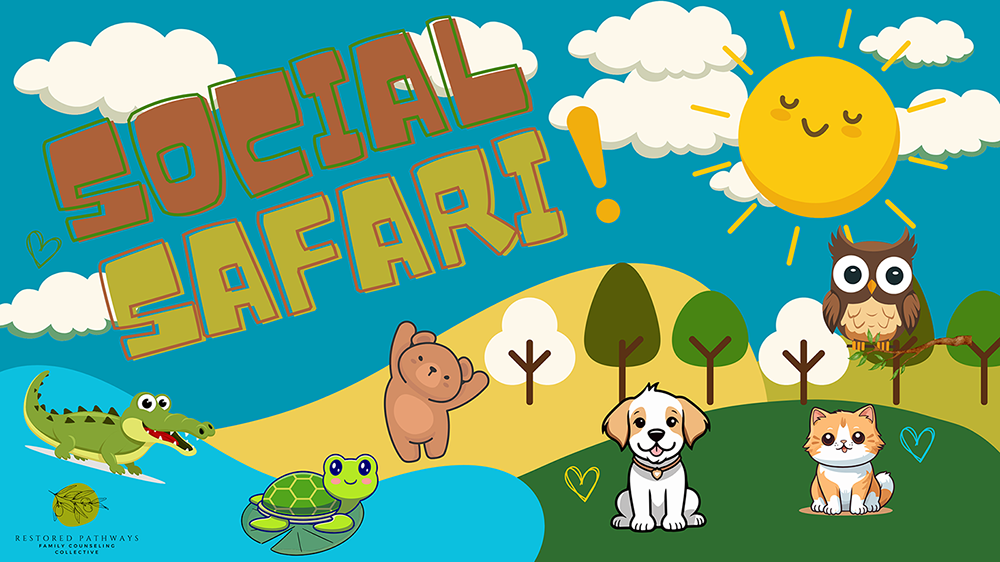
Join us on a Social Skills Adventure with “Social Safari”!

Simple Social Safari Week 4

Are you ready for an adventure in social skills? Join us for the launch of “Social Safari,” a specially crafted program for kids aged 4-9. Starting Tuesday, September 10, 2024, from 5-6 pm for ages 4-6, and Thursday, September 12, 2024, from 5-6 pm for ages 7-9, this unique experience promises a jungle of learning, laughter, and lasting skills.


Is your child struggling with self-regulation or finding it challenging to cope with disappointments? Are you receiving feedback about difficulties in making or keeping friends? Our 6-week course is designed to help children build connections, practice resiliency, and learn new, healthy coping skills.

Below is a Sneak Peek at a Few of Our Exciting Weekly Themes:

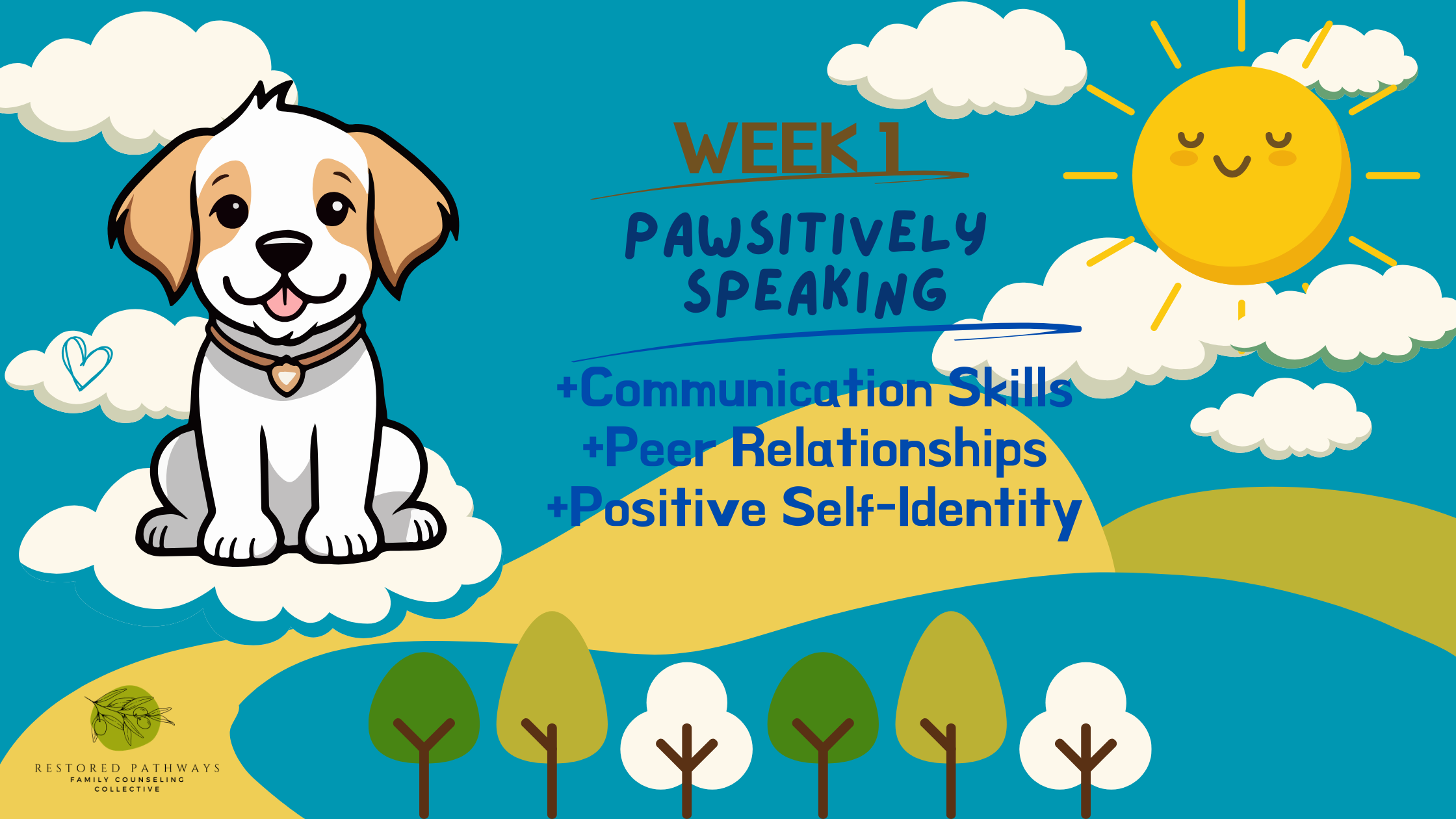
Pawsitively Speaking:

Pawsitively Speaking positive self-identity class

Unleash the power of positive communication! Through engaging activities and interactive games, we’ll help your child develop essential skills for effective and positive expression while strengthening their own positive self-identity.

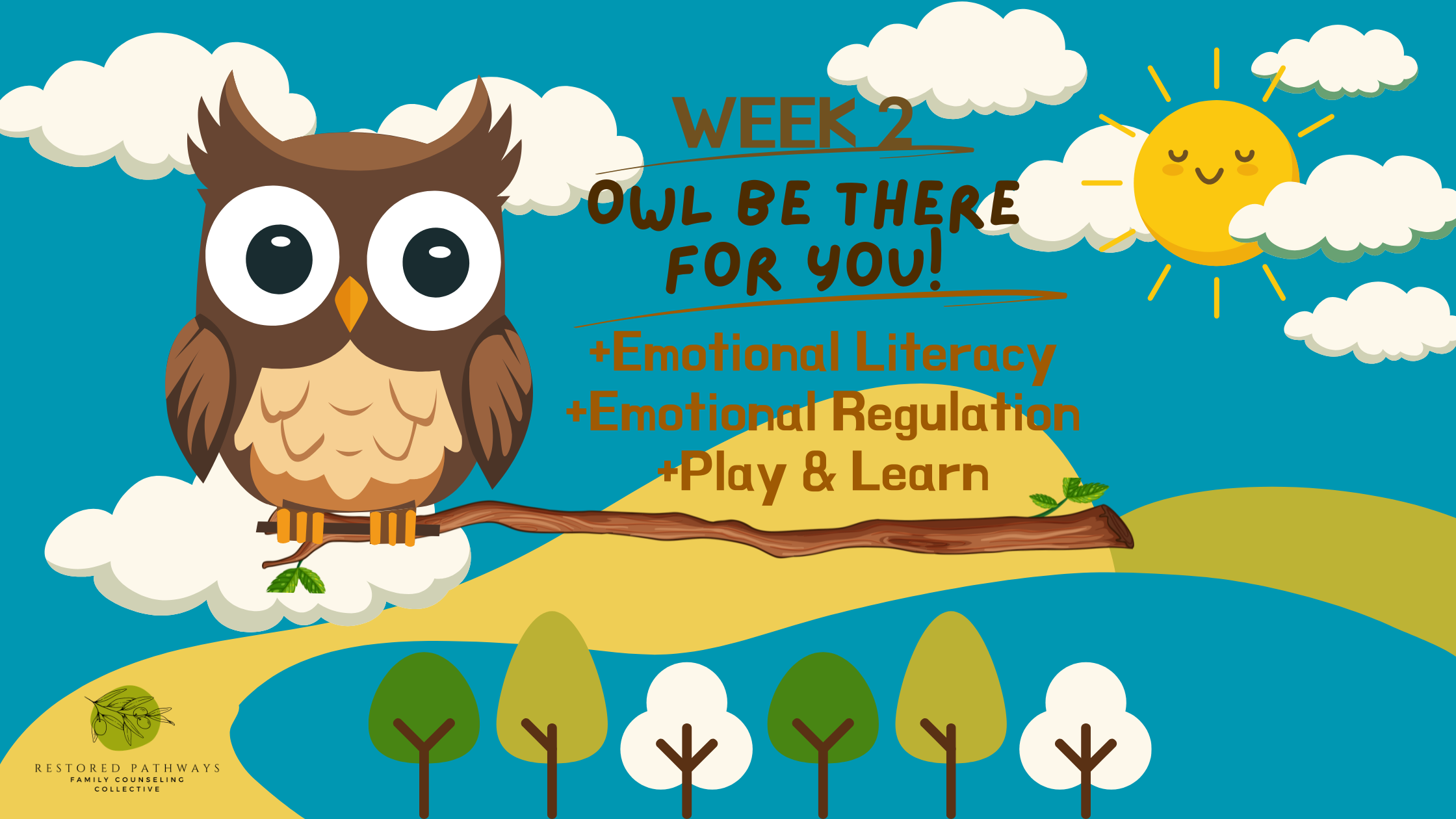
Owl Be There for You:

Owl Be There For You - understand and identify emotions class

Join our feathered friends on an exploration of emotional literacy and mind-body connection. Through the eyes of wise owls, children will learn to understand and identify emotions in themselves and others, fostering a sense of understanding and connection.

The Bear-Essentials:

Bear Essentials - emotional self-regulation class

Navigate the essentials of emotional self-regulation! This session utilizes skills from previous weeks to practice emotion regulation and build mastery. Our bear-themed activities will make learning these vital skills both fun and engaging while boosting confidence.

We are located in Tustin and require an assessment for kids who are not current and active clients. The assessment fee is $60, and each group session is $70. We highly encourage attending all six weekly sessions, as the skills build on each other.

Secure your child’s spot for this journey of self-discovery and friendship-building. Don’t miss out on the chance to make Social Safari a highlight of your child’s developmental adventure!

Sign Up Information

Dates of groups for Ages 4-6 years old: 9/10, 9/17, 9/24, 10/1, 10/8, 10/15

Dates of groups for Ages 7-9 years old: 9/12, 9/19, 9/26, 10/3, 10/10, 10/17


..or use your mobile phone and scan the QR code below:

Social Safari Sign Up QR Code

The Impact of PTSD on Daily Life

ptsd and daily life

PTSD can feel like being trapped in a never-ending nightmare.

The impact of PTSD extends far beyond the initial trauma. It can seep into every corner of your life, affecting relationships, work, and even simple daily tasks. You might find yourself constantly on edge, easily startled by sudden noises or movements. Sleep becomes elusive as vivid nightmares replay the trauma over and over.

Avoidance becomes a coping mechanism—steering clear of anything that might trigger painful memories. But this only leads to isolation and disconnection from the things and people you once enjoyed. Concentration and memory suffer, making it hard to function at work or school.

psychotherapy

Yet with the right support, it is possible to break free from PTSD’s grip. Through evidence-based therapies like cognitive behavioral therapy and EMDR, you can process the trauma, learn healthy coping strategies, and start to reclaim your life. The path to healing is not always easy, but it is possible.

The scars of trauma can run deep, but they don’t have to define your story. PTSD can make you feel like a prisoner of your own mind, but remember, there is hope. Seeking help is a courageous step. You deserve to live a life filled with joy, connection, and peace.

Each person’s journey with PTSD is unique. It’s essential to find a therapist and treatment plan that resonates with you. EMDR therapy, for instance, has been a beacon of hope for many. By processing traumatic memories in a safe environment, it helps reduce their emotional impact.

connecting with teen

You are not alone. Many people understand the struggle, and many more are here to support you. Whether it’s through professional help, support groups, or understanding friends and family, a strong support network can make a world of difference.

Healing is a journey, not a destination. It may be filled with ups and downs, but every step forward is a victory. Celebrate those small victories, and be gentle with yourself on the harder days. With time, patience, and the right support, the grip of PTSD will loosen, and you’ll rediscover the strength within you to build a brighter, more fulfilling future.

Image Credits: Person Staring At Sea

The Impact of Sleep on Mental Well-Being

sleep and mental health

A good night’s sleep can make all the difference.

When we prioritize sleep, we’re investing in our mental well-being. Quality sleep helps regulate emotions, improve concentration, and boost overall cognitive function. It’s like hitting the reset button for your brain. Each night of restful sleep is a powerful act of self-care, nurturing both body and mind.

On the flip side, poor sleep can exacerbate mental health issues like anxiety and depression. It becomes a vicious cycle—mental distress leads to sleep problems, which in turn worsen mental health. Without sufficient rest, our ability to manage stress, make decisions, and maintain a positive outlook diminishes.

That’s why at Restored Pathways, we emphasize the importance of healthy sleep habits as part of a holistic approach to mental wellness. Simple changes like sticking to a consistent sleep schedule, creating a relaxing bedtime routine, and limiting screen time before bed can make a big impact. These adjustments create an environment conducive to restful sleep, helping to break the cycle of poor sleep and mental distress.

stick to sleep schedule

Sticking to a consistent sleep schedule helps regulate your body’s internal clock, making it easier to fall asleep and wake up at the same time each day. This regularity can improve the overall quality of your sleep, leading to better mental clarity and emotional stability.

Creating a relaxing bedtime routine signals to your body that it’s time to wind down. Activities such as reading, taking a warm bath, or practicing gentle yoga can help transition your mind from the busyness of the day to a state of calm, ready for sleep.

Limiting screen time before bed is crucial, as the blue light emitted by phones, tablets, and computers can interfere with the production of melatonin, the hormone that regulates sleep. By reducing screen exposure at least an hour before bedtime, you can promote a more natural sleep cycle.

awake and refreshed

By taking steps to improve sleep, we give ourselves a strong foundation for better mental health. When we wake up refreshed, we’re better equipped to handle life’s challenges with resilience and clarity. Sleep rejuvenates our minds, allowing us to approach each day with renewed energy and a more balanced perspective.

At Restored Pathways Family Counseling Collective, we understand that sleep is a vital component of mental wellness. We are here to support you in developing healthy sleep habits and addressing any underlying issues that may be impacting your rest. Together, we can create a comprehensive plan to enhance your sleep and, in turn, your overall mental well-being.

Remember, investing in your sleep is an investment in your mental health. With mindful practices and the right support, you can cultivate a restful sleep routine that enhances your life in profound ways.

Image Credits: Person Sleeping, Person With Cup, Alarm Clock

Mindfulness Practices for Anxiety Management

mindfulness person

Anxiety can feel like a relentless storm in the mind. But what if a simple shift in awareness could provide shelter from the squall?

Mindfulness is a powerful tool for calming the anxious mind. By focusing on the present moment without judgment, we can step out of the whirlwind of worries and “what-ifs.” We learn to observe our thoughts and feelings with curiosity and compassion, rather than getting swept up in them.

Imagine being able to pause, take a breath, and ground yourself amidst the chaos. Mindfulness offers us that refuge. Through practices like deep breathing, body scans, and mindful movement, we reconnect with a place of steadiness and ease within ourselves. Each breath becomes an anchor, guiding us back to the present moment.

Deep breathing is a cornerstone of mindfulness. When anxiety tightens its grip, taking slow, deliberate breaths can help release that tension. Inhale deeply, feeling your belly rise, then exhale slowly, letting go of the stress. This simple act can create a profound shift, allowing us to find calm in the midst of anxiety.

deep breathing

Body scans are another effective mindfulness practice. By bringing our attention to different parts of the body, we become more aware of where we hold tension. As we breathe into these areas, we invite relaxation and release. This practice not only soothes the body but also calms the mind.

Mindful movement, such as yoga or walking meditation, integrates mindfulness with physical activity. Moving with intention and awareness helps us stay present and connected to our bodies. It’s a gentle reminder that we have the power to move through anxiety, rather than being paralyzed by it.

Mindfulness isn’t about eliminating anxiety altogether. It’s about changing our relationship to it. With practice, we discover that we are so much more than our anxious thoughts. We find the inner strength and clarity to navigate anxiety with greater grace and self-compassion.

When we practice mindfulness, we cultivate a sense of inner peace that can withstand life’s storms. We learn to respond to anxiety with kindness and patience, rather than fear and frustration. This shift in perspective can transform our experience, allowing us to live more fully and freely.

mindfulness is a journey

Remember, mindfulness is a journey. It takes time and practice to build this skill, but the rewards are well worth the effort. As we become more mindful, we gain a deeper understanding of ourselves and our experiences. We learn to embrace each moment, no matter how challenging, with an open heart and a calm mind.

So, the next time anxiety threatens to overwhelm you, take a moment to breathe, to scan your body, to move mindfully. These practices are not just techniques; they are pathways to a more peaceful, resilient self. Mindfulness offers us the tools to weather any storm, finding shelter in the present moment.

And remember, anytime you feel stuck in the squall of anxiety, you can always reach out to Restored Pathways Family Counseling Collective for support and therapy.

Image Credits: Meditation, Man Breathing, Person Looking At Road

Building Resilience: The Key to Thriving in the Face of Adversity

keep pushing forward

In the face of life’s inevitable challenges, resilience is our superpower. It’s what allows us not just to survive, but to thrive, turning adversity into a catalyst for growth and strength. While therapy helps to process the hurt and emotional aspect of a difficult situation, we all have an internal skill to help us thrive vs survive.

What is Resilience?

nelson mandela

Nelson Mandela (on left)

Resilience is the remarkable capacity to recover quickly from difficulties and adapt in the face of adversity. It’s the difference between merely surviving tough times and truly thriving despite them. Think of historical figures like Nelson Mandela, who emerged stronger after 27 years in prison, or Malala Yousafzai, who became a global advocate for girls’ education after surviving an assassination attempt. Their stories exemplify extraordinary resilience and inspire us to harness our own inner strength.

The Science Behind Resilience

Resilience has a strong foundation in neuroscience. Our brains are equipped to adapt through neuroplasticity, forming new neural connections that help us cope better with stress over time. The prefrontal cortex, responsible for decision-making and problem-solving, and the hippocampus, crucial for memory and emotional regulation, play key roles in this process. Studies show that moderate stress can actually strengthen the brain, enhancing our ability to handle future challenges. This phenomenon is known as “post-traumatic growth,” where adversity leads to significant personal development.

Factors That Contribute to Resilience

Several factors play a crucial role in building resilience:

  • Positive Relationships: A strong support network can provide the encouragement and assistance needed to navigate difficult times.
  • Optimism: Maintaining a positive outlook helps in seeing challenges as opportunities rather than insurmountable obstacles.
  • Emotional Regulation: The ability to manage emotions effectively is key to staying calm and focused under pressure.
  • Self-Efficacy: Belief in one’s own abilities boosts confidence to tackle problems head-on.
  • Flexibility: Being adaptable and open to change ensures that setbacks are met with creative solutions.

Practical Steps to Build Resilience

resilience

Building resilience is a continuous process. Here are some practical steps:

  • Cultivate Strong Relationships: Nurture your social connections for support and encouragement. Surround yourself with positive, uplifting people.
  • Practice Self-Care: Ensure you get adequate sleep, eat nutritious food, and engage in regular physical activity. Taking care of your physical health lays a foundation for mental resilience.
  • Develop a Growth Mindset: View challenges as opportunities to learn and grow. Embrace setbacks as a natural part of the learning process.
  • Mindfulness and Meditation: These practices help manage stress and keep you grounded. Spend a few minutes each day in mindfulness or meditation to enhance emotional regulation.
  • Set Realistic Goals: Break down big goals into smaller, achievable steps. Celebrate small victories along the way to maintain motivation.
  • Maintain Perspective: Keep a long-term view and avoid blowing problems out of proportion. Remind yourself of past challenges you’ve overcome.
  • Seek Help When Needed: Don’t hesitate to seek professional help if you’re struggling with severe stress or trauma. There’s strength in recognizing when you need support.

Personal Stories of Resilience

Consider the story of J.K. Rowling, who faced numerous rejections before Harry Potter became a worldwide phenomenon. Or the story of Bethany Hamilton, who returned to professional surfing after losing her arm in a shark attack. These stories remind us that resilience can lead to extraordinary achievements. Each setback can be a setup for an incredible comeback.

Resilience is not a trait we are born with; it’s a skill that can be developed. By nurturing our relationships, maintaining a positive outlook, and taking care of our mental and physical health, we can build the resilience needed to face any challenge life throws our way. So keep pushing forward, because you are stronger than you think.

Image Credits: Nelson Mandela, resilience art

Children’s Social Skills Groups: Helping Kids Build Confidence, Friendships, and Emotional Strength

social safari - Children’s Social Skills Groups

At Restored Pathways Family Counseling Collective, we often hear parents say the same thing:

“My child is bright and caring — but social situations feel hard for them.”

Maybe your child struggles to join group play, becomes overwhelmed by big emotions, or has difficulty making and keeping friends. These challenges are more common than many families realize — and they don’t mean anything is “wrong.”

Social skills are learned skills. And like any skill, children can grow with the right support.

That’s why we created our children’s social skills groups in Orange County: a safe, playful environment where kids practice communication, emotional regulation, and friendship skills with guidance from experienced therapists.

When children feel socially confident, it impacts everything: school success, emotional wellbeing, and their sense of belonging.

What Are Social Skills Groups for Children?

Our social skills therapy groups for kids are structured sessions designed to teach and practice real-world social and emotional skills. Through games, role-play, movement, and interactive activities, children learn how to navigate everyday social situations in ways that feel natural and empowering.

Each session focuses on core areas of child social development, including:

Communication Skills for Kids

Children practice expressing their thoughts clearly, listening to others, and participating in conversations.

Emotional Regulation and Coping Skills

We teach practical tools that help kids calm their bodies, identify emotions, and respond thoughtfully instead of reacting impulsively.

Problem-Solving and Conflict Resolution

Children practice resolving conflicts, making decisions, and repairing relationships in healthy ways.

Teamwork and Cooperative Play

Kids learn to share, take turns, and work together — skills that strengthen friendships and classroom success.

Empathy and Social Awareness

We help children recognize and respect the feelings of others, building emotional intelligence.

Applying Skills in Real Life

Children leave with tools they can use at school, at home, and in everyday interactions.

Introducing Social Safari 2026!

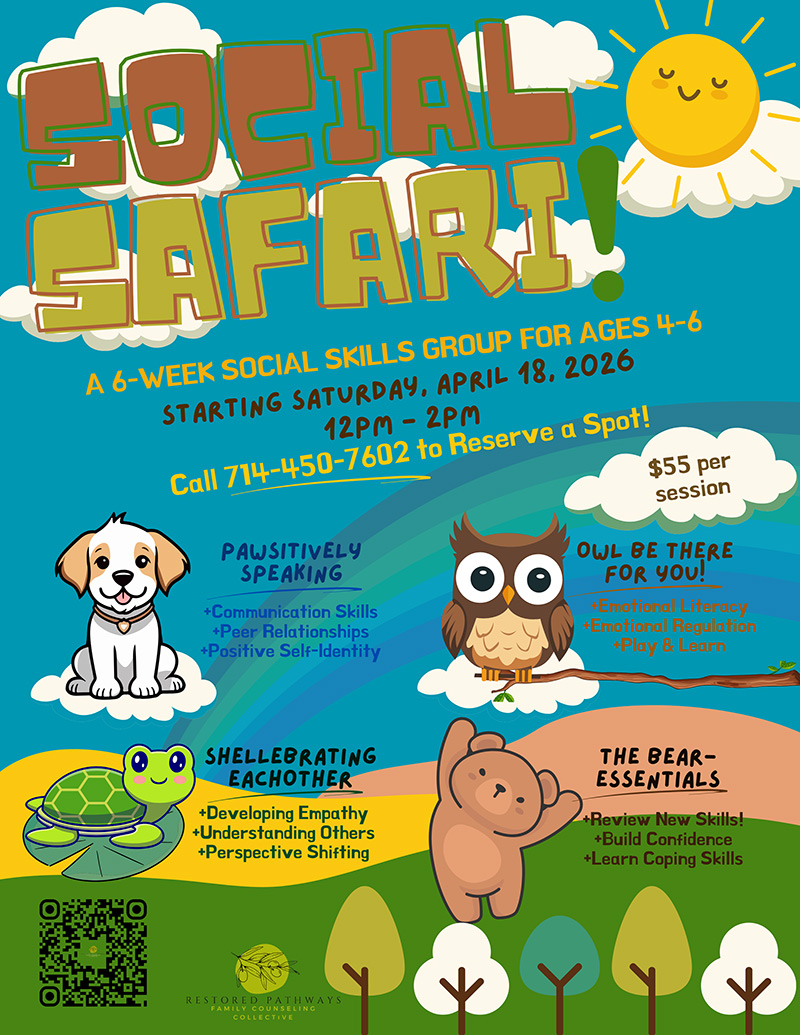
Our upcoming Social Safari 2026 is a 6-week social skills group for children ages 4–6 years old.

Saturdays:
April 18 • April 25 • May 2 • May 9 • May 16 • May 23

Time: 12:00 PM – 2:00 PM
Location: 161 Fashion Ln, Ste 105, Tustin, CA 92780

Cost:
$100 deposit to secure your child’s spot
$55 per session, billed weekly

Spots are intentionally limited to provide a small, supportive environment.

What To Expect

Week 1 – Pawsitlively Speaking

communication skills for kids

Benefits of building these skills include:

  • Communications Skills
  • Peer Relationships
  • Positive Self-Identity

Week 2 – Owl Be There For You!

emotion regulation for children

Benefits of building these skills include:

  • Emotional Literacy
  • Emotional Regulation
  • Play & Learn

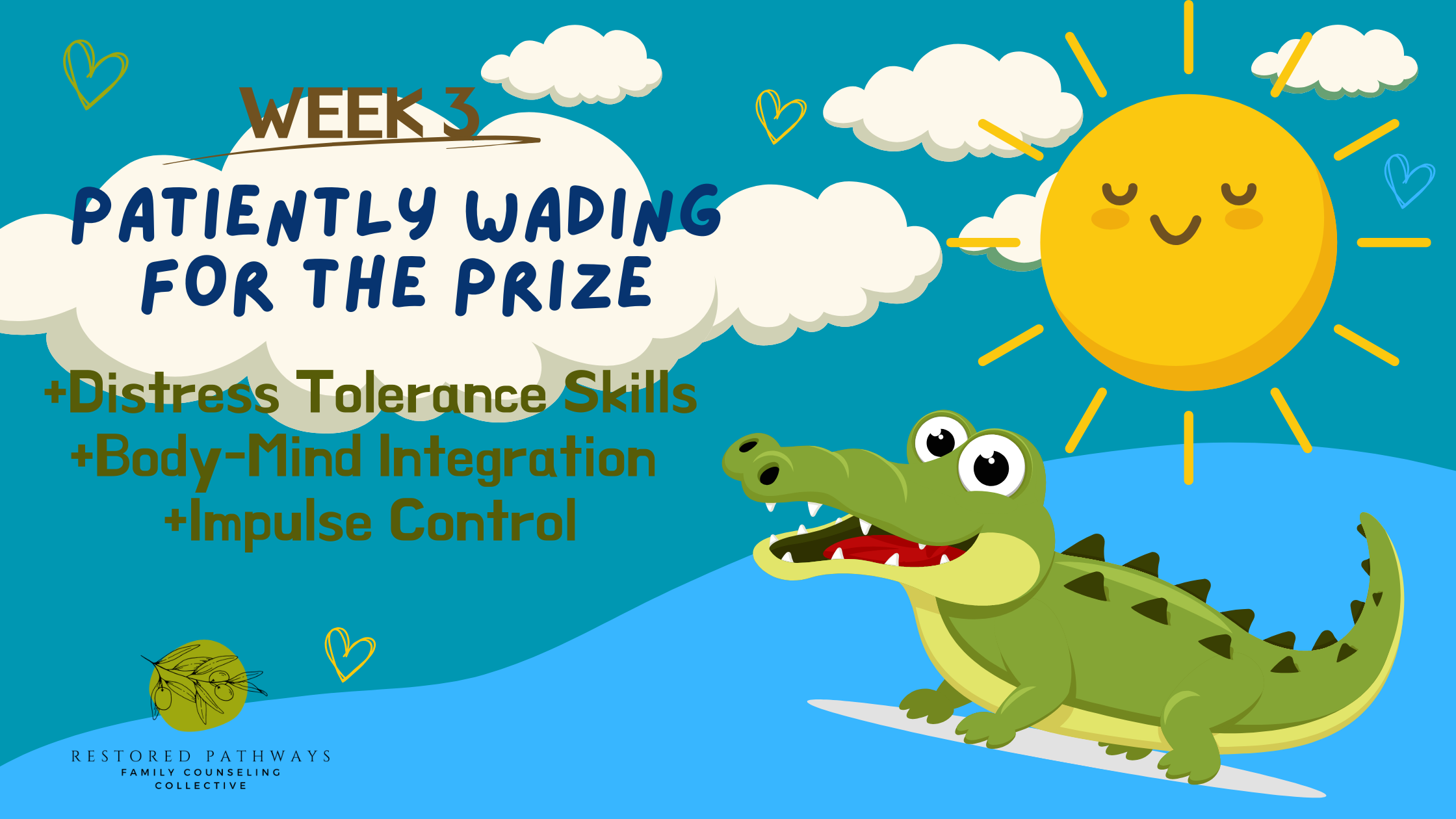
Week 3 – Patiently Wading For The Prize

impulse control

Benefits of building these skills include:

  • Distress Tolerance Skills
  • Body-Mind Integration
  • Impluse Control

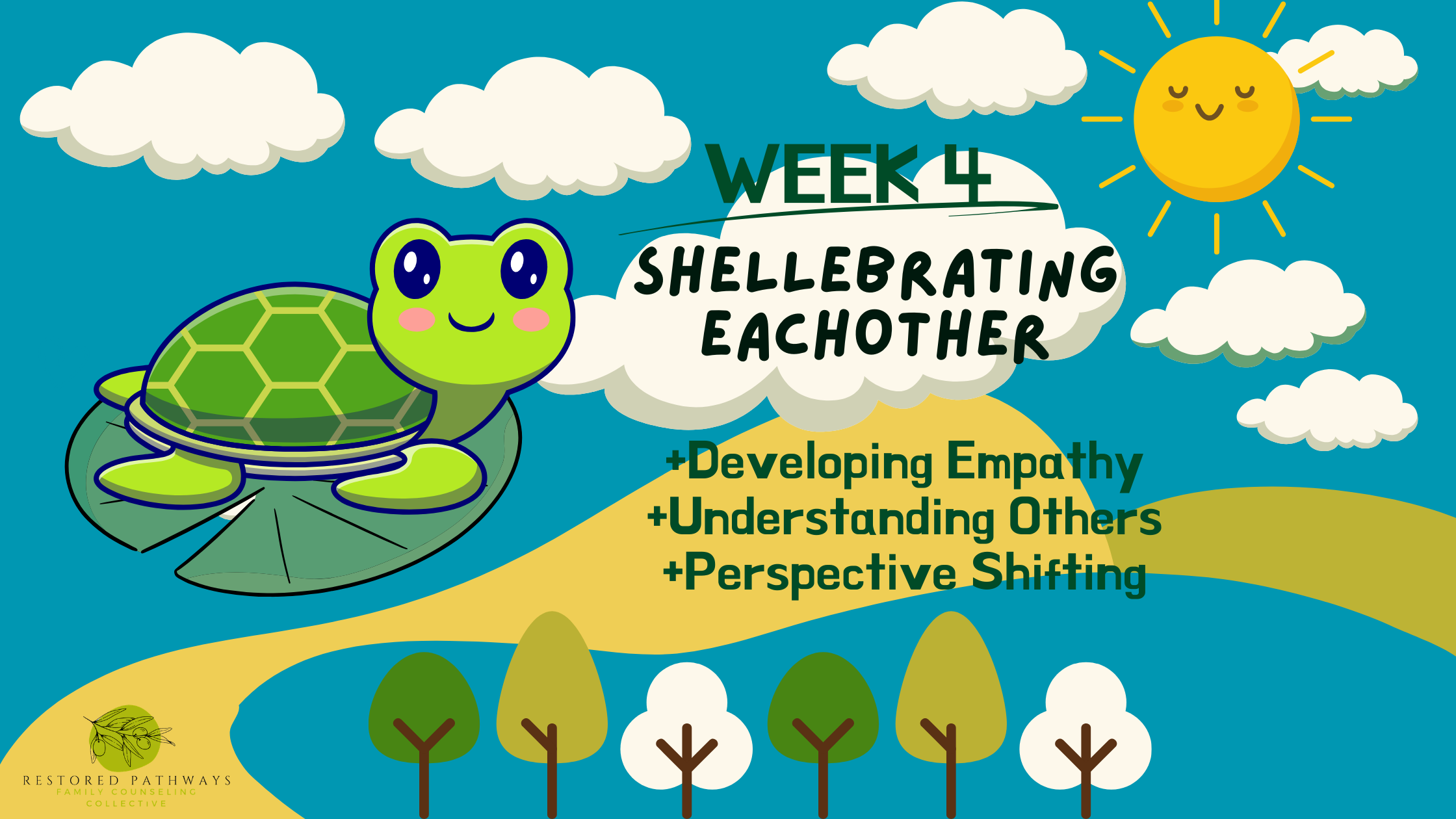
Week 4 – Shellebrating Each Other

empathy and social awareness for children

Benefits of building these skills include:

  • Developing Empathy
  • Understanding Others
  • Perspective Shifting

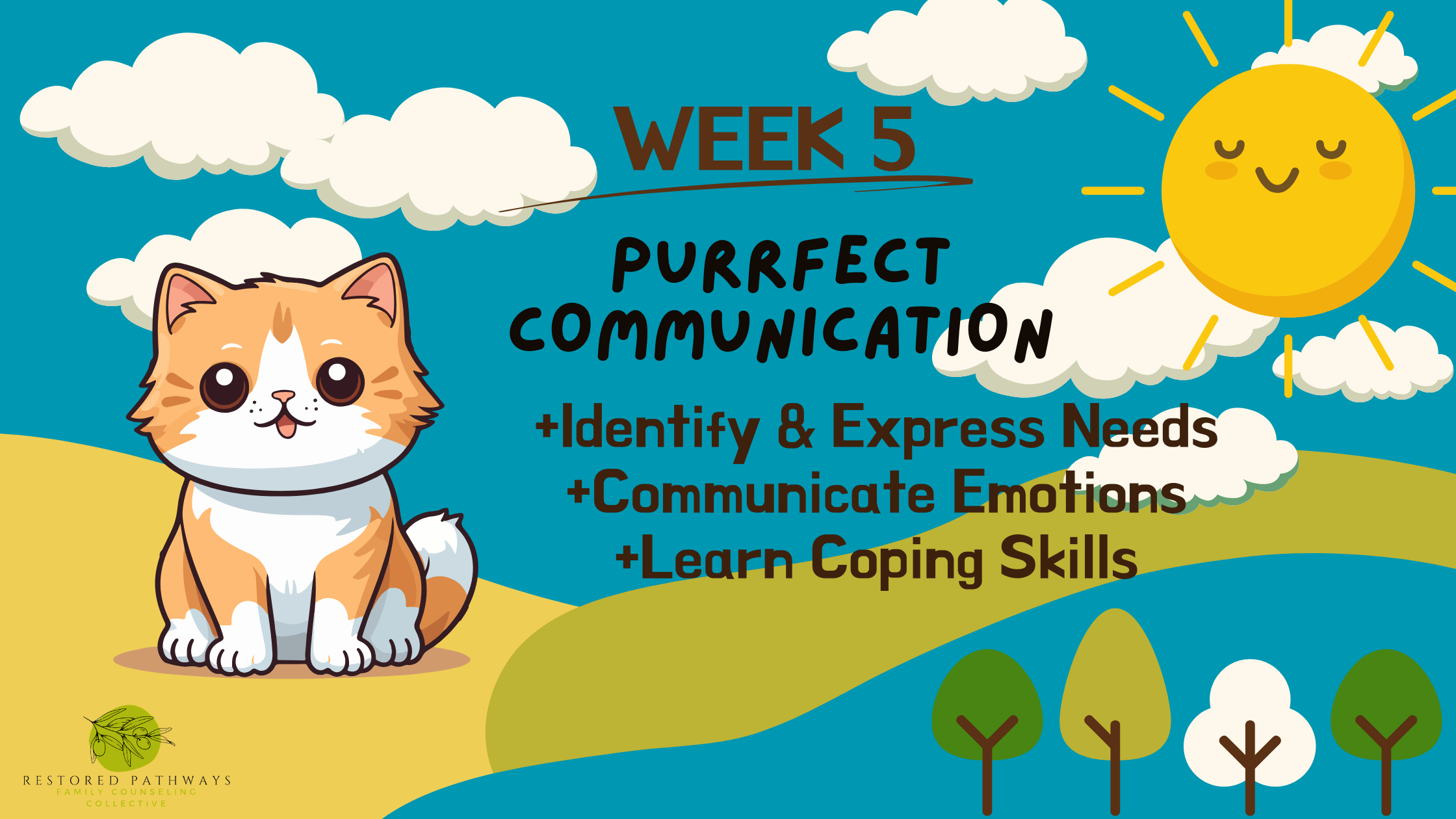
Week 5 – Purrfect Communication

communication skills for kids

Benefits of building these skills include:

  • Identify & Express Needs
  • Communicate Emotions
  • Learn Coping Skills

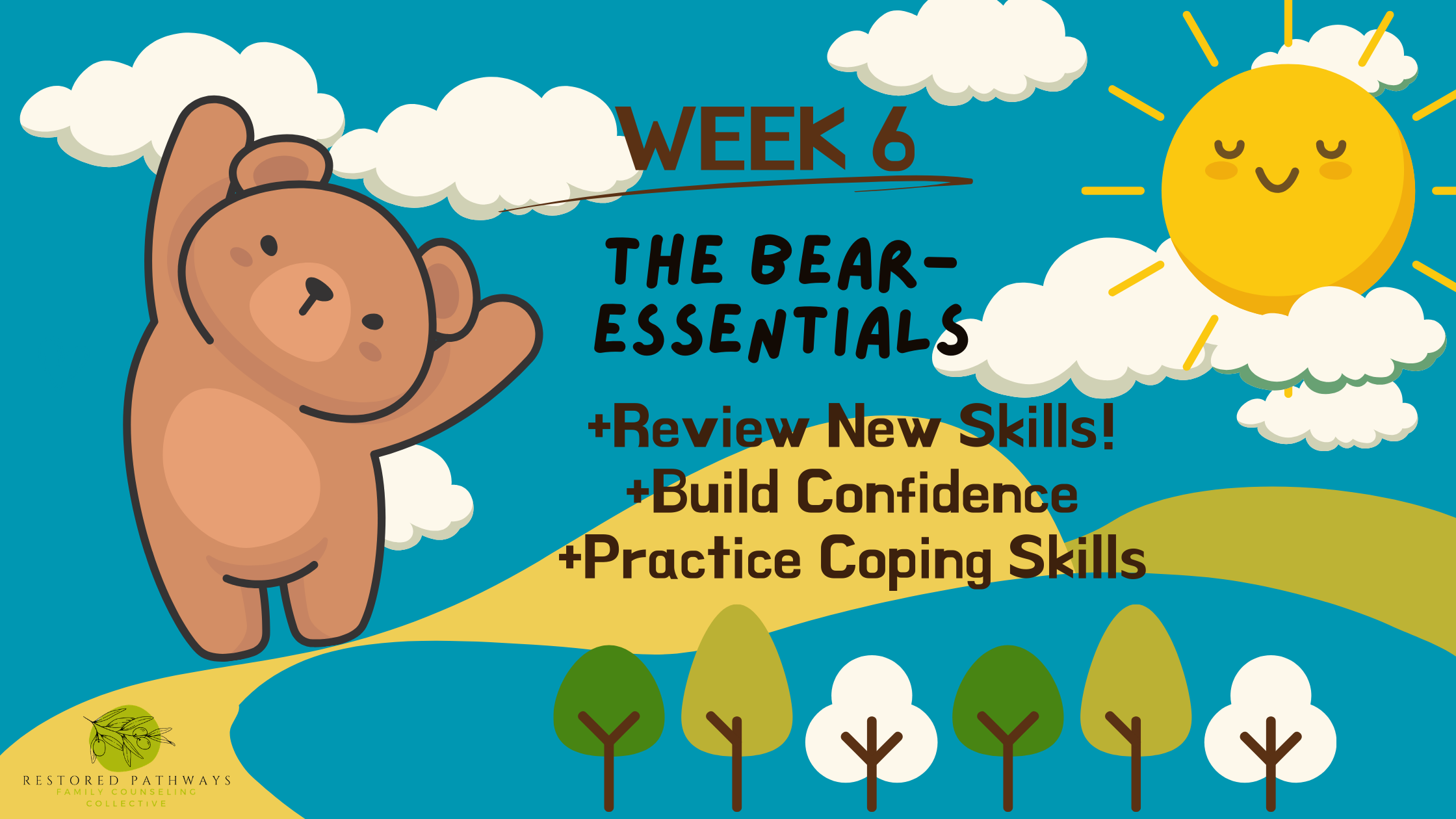
Week 6 – The Bear Essentials

build confidence and coping

Benefits of building these skills include:

  • Review New Skills!
  • Build Confidence
  • Practice Coping Skills

Who Benefits from Children’s Social Skills Therapy?

Our social skills groups in Tustin and Orange County are helpful for children who:

  • Feel shy or anxious in social settings
  • Have difficulty making or maintaining friendships
  • Struggle with emotional regulation
  • Need support building self-confidence
  • Find teamwork or sharing challenging
  • Prefer solitary play when around peers

Frequently Asked Questions About Social Skills Groups

What age is Social Safari designed for?

Social Safari 2026 is designed for children ages 4–6 years old. Groups are developmentally tailored to early childhood social and emotional needs.

Where is the social skills group located?

Our children’s social skills group takes place at:

161 Fashion Ln, Ste 105, Tustin, CA 92780
We serve families throughout Tustin and greater Orange County.

How do I know if my child needs a social skills group?

If your child struggles with making friends, managing big emotions, joining group play, or navigating peer conflict, a social skills therapy group can provide structured practice in a supportive setting.

How many children are in each group?

We intentionally keep groups small to ensure individualized attention and a safe, supportive experience for every child.

Is this therapy or a class?

Social Safari is a therapist-led social skills group, meaning it blends therapeutic intervention with play-based learning. Skills are taught intentionally and reinforced through guided activities.

What skills will my child learn?

Children practice:

  • Communication
  • Emotional regulation
  • Problem-solving
  • Impulse control
  • Empathy
  • Friendship skills
  • Confidence building

How do I register?

A $100 deposit secures your child’s spot, with weekly session fees of $55. Want to sign up? Or sign up for future Social Safari groups? Click here: Social Safari Information

Supporting Your Child’s Social and Emotional Growth

Every child deserves to feel confident connecting with others. When children develop strong social and emotional skills early, they build a foundation for healthier relationships, academic success, and long-term resilience.

If you’re wondering whether a social skills group in Tustin or Orange County could support your child, we’re here to help. If you would like to learn more about our child counseling services, please visit this link.

six week social skills group for ages 4 to 6