
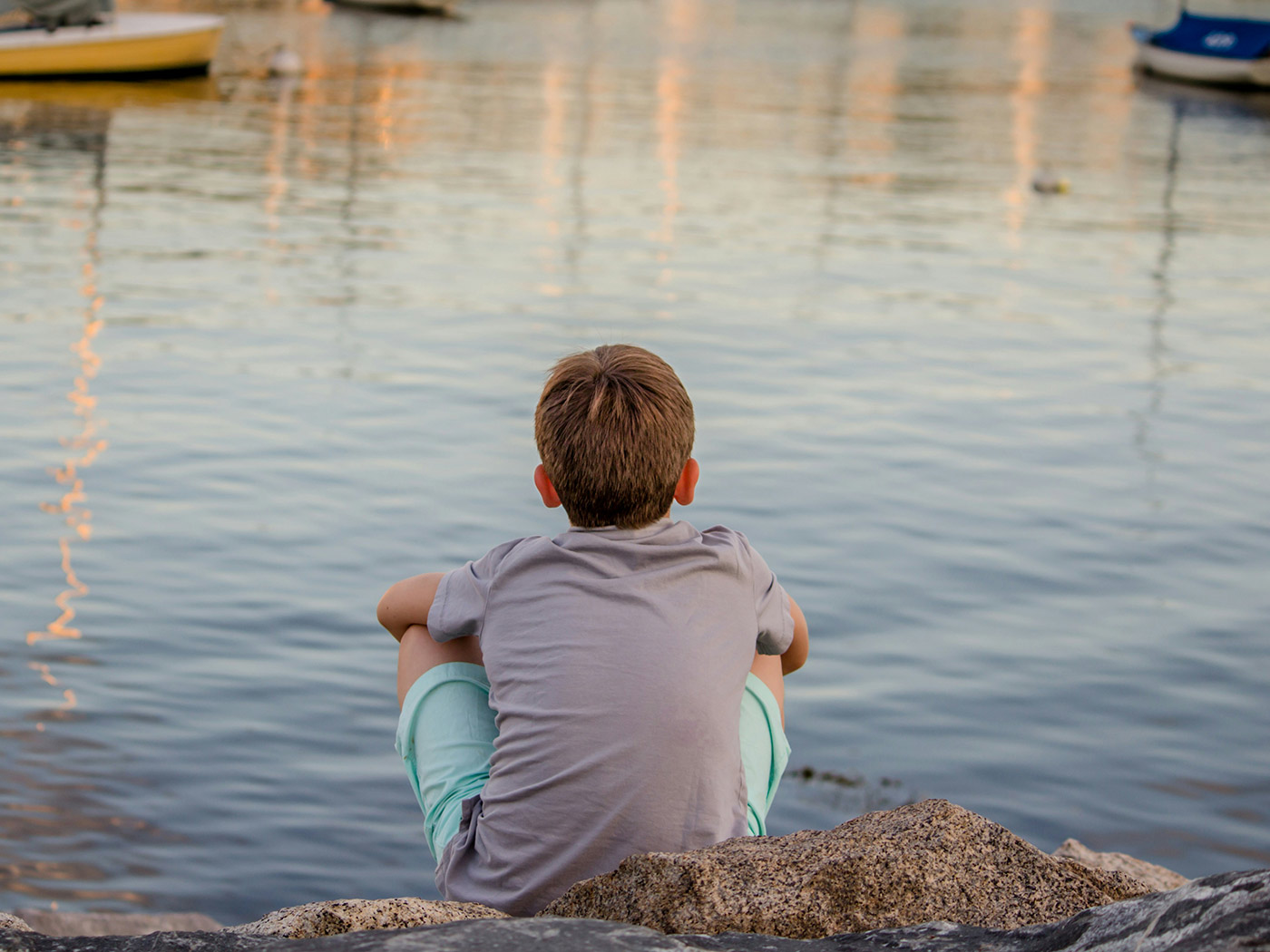
Many parents assume that social skills come naturally to children. For some kids, that’s true. But for many others, social interactions require practice, guidance, and patience.
Children must learn how to:
- Read facial expressions
- Interpret tone of voice
- Understand personal space
- Regulate emotions during play
- Navigate conflict with peers
These are complex skills that develop gradually.
Some children are naturally more cautious or sensitive in social environments. Others may feel overwhelmed by noise, activity, or group dynamics. Still others may struggle with impulse control or emotional regulation during play.
The important thing for parents to remember is this:
Social challenges are not character flaws, they are skill gaps.
And skills can be taught.
When children have the opportunity to practice social interactions in a structured environment, they begin to build confidence. They learn how to approach peers, express their feelings, and recover from social setbacks.
Social skills groups provide something children often don’t get in everyday environments: guided practice with supportive coaching in real time.
Instead of being corrected after something goes wrong, children receive encouragement and gentle redirection while social interactions are happening.
Over time, these small moments of practice add up. Children begin to feel more confident participating in group activities, forming friendships, and navigating challenges with peers.
Programs like Social Safari are designed to create these practice opportunities in a playful, supportive environment where children can grow socially and emotionally.
Sign up your child for Social Safari Skills Group today!
Image Credit: Featured Image
Note: Images are stock photos and do not depict actual clients.