
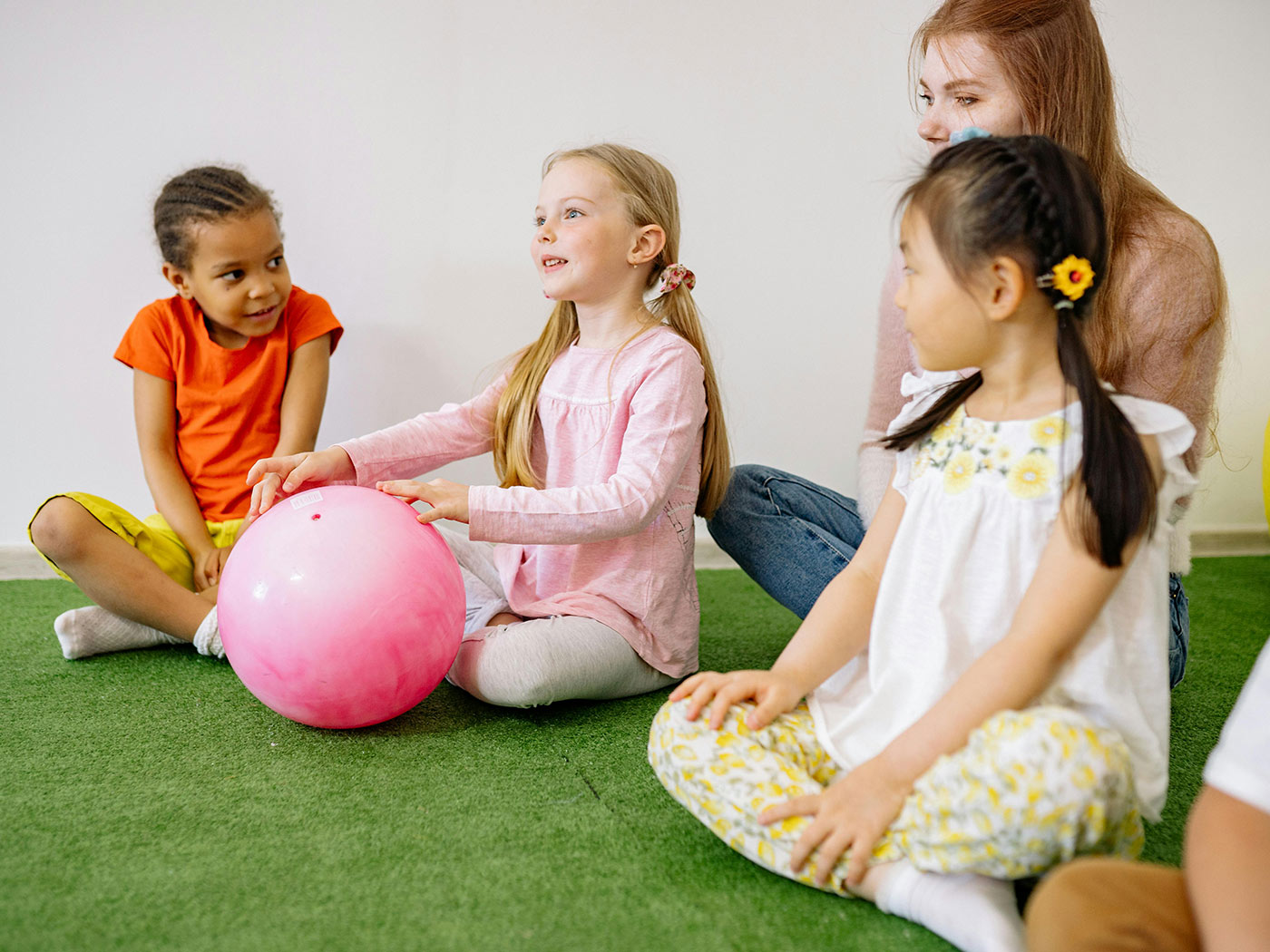
At Restored Pathways Family Counseling Collective, we often meet thoughtful, caring parents who share a similar concern:
Maybe your child wants to make friends but doesn’t know how to join in. Maybe playdates end in frustration or tears. Or maybe your child prefers to play alone even when other kids are nearby.
These experiences are more common than many parents realize.
Social skills are not something children are simply born knowing; they are learned and practiced over time, just like reading, sports, or problem-solving. With the right support and opportunities to practice, children can grow tremendously in their confidence and social understanding.
Here are three common signs your child may benefit from a social skills group like Social Safari.
1. Your Child Wants Friends but Struggles to Join Group Play
Many children want to connect with others but feel unsure about how to start. They may watch other children playing but hesitate to approach or join the group.
Parents might notice things like:
- Standing near other kids but not participating
- Waiting for others to invite them into play
- Feeling shy or overwhelmed in new social environments
- Preferring solitary play even when they want connection
Joining group play requires several skills at once: reading social cues, knowing what to say, and feeling confident enough to approach peers.
In a social skills group, children get guided opportunities to practice these moments in a safe environment with therapist support.
2. Big Emotions Show Up During Play
Another common sign is when strong emotions appear during social interactions.
You might notice your child:
- Getting frustrated when a game doesn’t go their way
- Feeling upset when sharing or taking turns
- Shutting down when something feels unfair
- Having difficulty calming down once upset
These situations don’t mean a child is “too emotional.” Instead, they often indicate that the child is still learning emotional regulation and coping skills.
Social skills groups help children practice:
- Recognizing feelings in their body
- Using calming strategies
- Expressing frustration in healthy ways
- Recovering after disappointment
These skills help children stay engaged with peers instead of withdrawing or becoming overwhelmed.
3. Friendships Feel Confusing
For some children, social interactions can feel unpredictable or confusing.
They may struggle with things like:
- Knowing when to take turns
- Understanding personal space
- Reading facial expressions or tone of voice
- Deciding what to say during conversations
When these cues are difficult to interpret, children may unintentionally interrupt, dominate play, or withdraw from social situations entirely.
A structured social skills group provides opportunities for children to practice these moments with gentle guidance and real-time coaching.
Over time, children begin to understand social rhythms like:
- Waiting for a turn
- Noticing how others feel
- Adjusting their behavior to fit the situation
How Social Skills Groups Help Children Grow
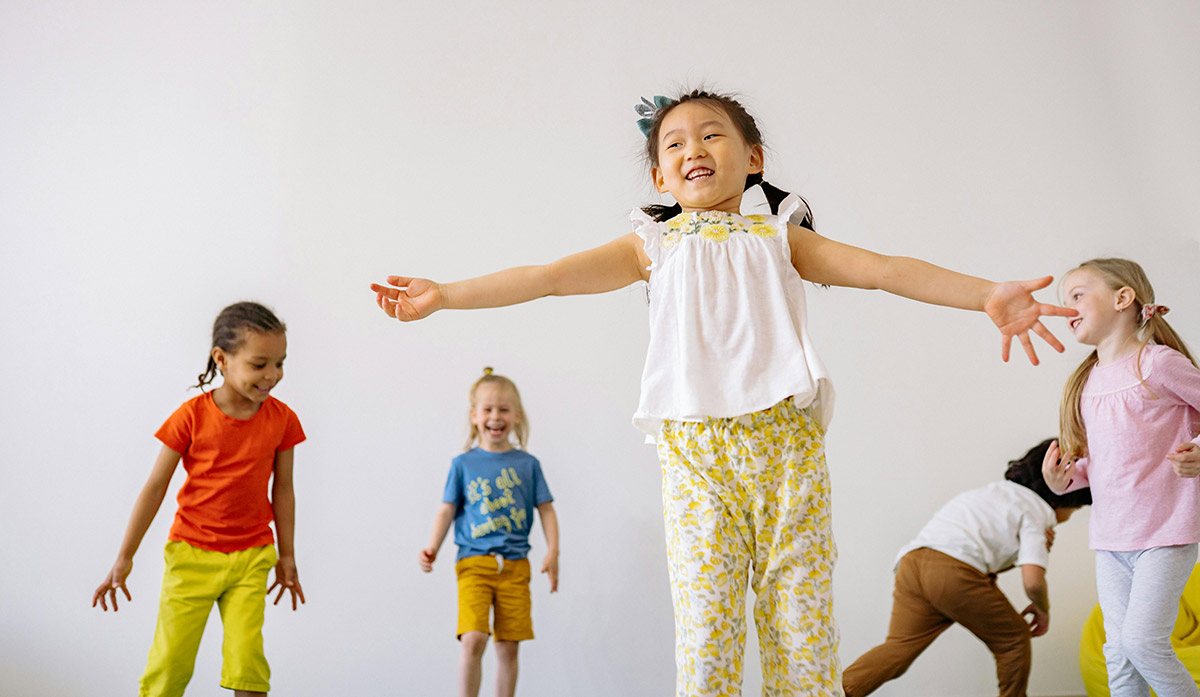
A social skills group is more than simply putting children together to play. In a therapist-led group, activities are intentionally designed to teach and reinforce skills such as:
- Communication and conversation skills
- Emotional regulation
- Problem-solving with peers
- Teamwork and cooperation
- Confidence in social settings
Children practice these skills through games, role-play, and guided activities while therapists support them in navigating real social moments.
Because the environment is supportive and structured, children often feel more comfortable experimenting with new behaviors and building confidence.
Introducing Social Safari
Social Safari is our social skills group for children ages 4–6, designed to help young children develop confidence, communication skills, and emotional regulation through playful, therapist-guided activities.
In Social Safari, children practice:
- Making friends
- Managing big feelings
- Joining group play
- Taking turns and sharing
- Communicating needs clearly
All within a small, supportive group environment.
Program Details
📅 Saturdays beginning April 18
⏰ 12:00 PM – 2:00 PM
📍 161 Fashion Ln, Ste 105, Tustin, CA
Spots are intentionally limited to ensure each child receives individualized attention. Sign up today!
Supporting Your Child’s Social Confidence
Every child develops social skills at their own pace. When children are given supportive opportunities to practice communication, emotional awareness, and cooperation, their confidence often grows quickly.
If you’re wondering whether a social skills group might support your child, Social Safari may be a great place to start.
FAQs – Frequently Asked Questions About Social Skills Groups for Children
What is a social skills group for kids?
A social skills group is a structured program where children practice communication, emotional regulation, and friendship skills with peers. Therapist-led groups like Social Safari combine guided activities, games, and role-play to help children learn how to interact confidently with others.
What can I do at home to support my child’s social skills?
Parents play an important role in helping children practice the social and emotional skills they learn in group.
After each Social Safari session, families receive a parent handout that explains what we practiced during the group. These handouts include:
- The focus of the week’s session
- The skills children are learning
- The activities we used and why we used them
- Simple ideas for how parents can reinforce these skills at home
This allows parents to continue the learning outside of the group environment. Many of the activities can easily be incorporated into everyday family life—during playtime, conversations, or daily routines.
Our goal is not only to help children build skills during the group sessions, but also to equip parents with tools that support their child’s confidence, emotional regulation, and social development at home and in the community.
What age is appropriate for a social skills group?
Many children benefit from social skills groups during early childhood when they are learning foundational communication and emotional regulation skills. Social Safari is designed for children ages 4–6, a key stage for developing friendships and learning how to navigate group play.
That said, it is never too late to learn new social and relational skills. Social development continues throughout life, and people of all ages can benefit from practicing communication, emotional awareness, and connection with others.
For example, local relational coach Melissa Brosch, MA, runs the Conversation Club, a program designed to help young adults strengthen their communication and relational skills. Just like children, adults can grow in confidence and connection when given the opportunity to practice these skills in a supportive environment.
Whether a child is just beginning to learn how to make friends or an adult is working on strengthening relationships, social skills are learnable at every stage of life.
How do I know if my child needs a social skills group?
A child may benefit from a social skills group if they:
- Struggle to join group play
- Feel shy or anxious around peers
- Have difficulty managing big emotions
- Find sharing or taking turns challenging
- Want friends but have trouble making them
These are common developmental challenges, and structured practice can help children build confidence.
What skills do children learn in a social skills group?
Children typically practice:
- Communication skills
- Emotional regulation
- Problem-solving with peers
- Taking turns and cooperation
- Empathy and social awareness
- Managing frustration
These skills support success in school, friendships, and family relationships.
Are social skills groups therapy?
Many social skills groups are led by therapists and incorporate therapeutic techniques, but they often feel playful and interactive for children. The goal is to teach practical skills through games, activities, and guided social interaction.
Image Credit: Featured Image, Children Jumping, Children Raising Hands
Note: Images are stock photos and do not depict actual clients.